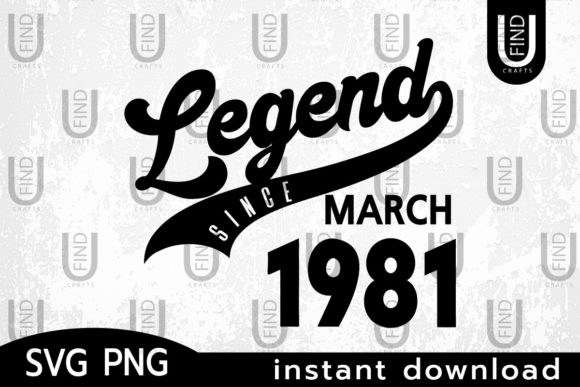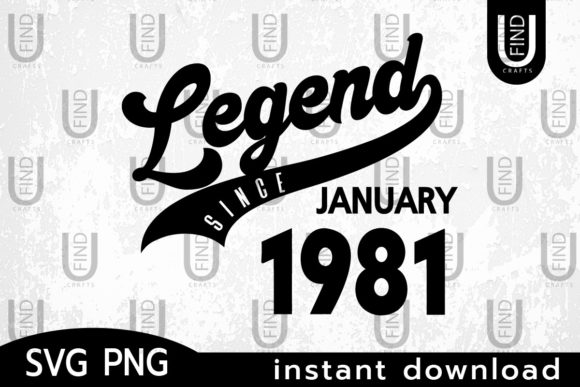
Vintage 1981, Legend Since January 1981
As a designer who’s spent years working with machine embroidery designs, I’ve come to value a good piece of art that translates well into stitch. Vintage 1981, Legend Since January 1981 is one such design. It carries a nostalgic feel that feels both authentic and versatile. Whether you're creating custom apparel, personalized gifts, or small shop merchandise, this design has the potential to stand out—provided it’s used thoughtfully.
The First Impression: Nostalgia Meets Simplicity
From the moment I opened the SVG and PNG files, I was struck by the clean lines and retro aesthetic. The design evokes a sense of timelessness, blending vintage typography with a minimalist layout. It’s not overly complex, which makes it ideal for a range of projects—from baby clothes to holiday gifts. The theme is clear: it’s about celebrating a year, a milestone, and a legacy. That kind of visual storytelling can resonate deeply with customers looking for meaningful handmade products.
The layout is straightforward, making it easy to adapt to different formats. It works well as an embroidered patch, a tote bag design, or even a pillow cover. The detail level is moderate, so it doesn’t require excessive stitch density, which is a big plus for smaller hoop sizes or simpler machines.
Real-World Embroidery Performance
I tested the design on a few different fabrics to see how it would hold up in real-life situations. On a cotton t-shirt, it looked great—clean and readable. The satin stitch worked well for the text, and the fill areas were smooth without too much bulk. For a sweatshirt or tote bag, it’s a solid choice. However, I noticed that on darker fabrics, the contrast could be an issue if the thread color isn’t chosen carefully.
One thing to keep in mind is that the design might not be ideal for very stretchy or thin materials. If you’re planning to use it on a cap or a baby onesie, you’ll want to test it first. Stretchy fabrics can distort the design, and thin materials may show through the stitches, especially if the stabilizer isn’t properly applied.
For applique designs, this could work well, but the overall simplicity might not offer enough visual interest for more intricate projects. It’s best suited for single-color or two-color applications where clarity is key.
Where to Use It Carefully
While Vintage 1981, Legend Since January 1981 is versatile, there are some scenarios where caution is needed. Small hoop sizes may limit how large the design can be without splitting it into sections. If you’re working on a project with curved surfaces like a hat or a cap, you’ll need to ensure the design can be adjusted to fit the curve without distortion.
Detailed corners and tiny lettering can be problematic if the stitch density is too high. This is something to check when preparing the file for your machine. Also, if you’re using it on layered garments or textured fabrics, the design might not show up as clearly as expected.
For commercial embroidery projects, it’s important to confirm that the licensing allows for resale or redistribution, especially if you’re an Etsy seller or running a craft business. Always review the terms before using the design in finished products or digital downloads.
Impact on Visual Appeal and Customer Perception
This design has a strong visual presence that can elevate the perceived value of a handmade product. When stitched correctly, it adds a touch of personality and history to any item. Customers often appreciate the uniqueness of a vintage-inspired design, especially when it’s used in a thoughtful way.
It also helps with brand consistency. If you’re building a collection around retro themes or anniversary celebrations, this design can serve as a foundation. It’s easy to pair with other vintage-style elements, making it a useful asset for boutique branding or printable mockups.
From a customer engagement perspective, it’s a design that people can relate to. Whether it’s for a birthday gift, a wedding favor, or a holiday decoration, the message behind it is clear and emotionally resonant.
Practical Designer Notes
Before finalizing any project, I always recommend testing the design on scrap fabric. This helps identify any issues with stitch density, thread color contrast, or stabilizer use. For this design, I found that a medium-weight cutaway stabilizer worked best, especially on lighter fabrics.
Check the file format compatibility with your embroidery machine. While SVG and PNG files are common, they may need conversion for certain machines. Make sure to review the stitch count and hoop size requirements if available. If not, plan accordingly based on the design’s complexity.
If you’re using this for a commercial project, double-check the licensing terms. Some designs may have restrictions on resale, reproduction, or modification. As a designer, it’s crucial to respect these terms to avoid legal issues down the line.
Finally, consider how the design will look in black and white mockups. Sometimes, the colors can be misleading, and a grayscale version can reveal details that aren’t immediately obvious.
Final Thoughts: A Timeless Design with Practical Potential
Vintage 1981, Legend Since January 1981 is a design that holds promise for a variety of embroidery projects. Its retro charm and clean layout make it suitable for both personal and commercial use, provided it’s handled with care. It’s not a one-size-fits-all solution, but for the right application, it can add a meaningful touch to any handmade product.
Whether you're an Etsy seller, a small shop owner, or a creative entrepreneur, this design offers a chance to connect with customers through nostalgia and craftsmanship. Just remember to test it thoroughly, choose the right thread colors, and ensure it aligns with your brand’s vision.
With the right approach, Vintage 1981, Legend Since January 1981 can become a standout element in your embroidery projects, helping you create memorable, high-quality products that customers will love.