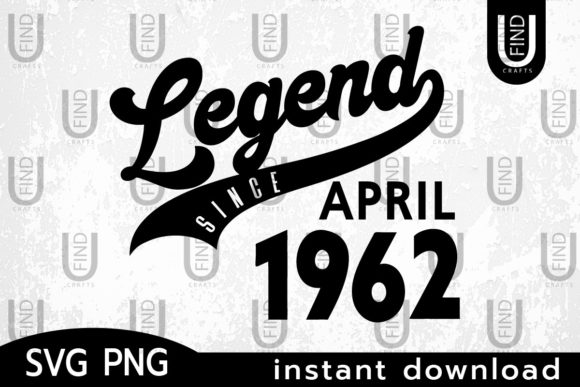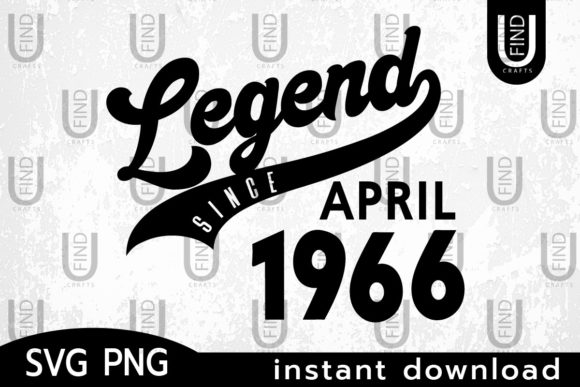
Vintage 1966, Legend Since April 1966
As a designer and embroidery product reviewer, I've evaluated countless machine embroidery designs. But when I came across the "Vintage 1966, Legend Since April 1966" SVG and PNG files, I knew it had potential for real-world use. This design isn't just a nostalgic nod to the past—it's a versatile piece that could fit into a range of projects, from custom apparel to personalized gifts.
The First Impression: Retro Meets Timeless
From the moment I opened the file, the "Vintage 1966, Legend Since April 1966" design felt like stepping back in time. The retro aesthetic is clear, with a clean layout and a sense of history embedded in the visual personality. It's not overly complex, but it has enough detail to stand out without overwhelming the eye. The shape is balanced, making it suitable for a variety of embroidery projects.
This design would work well on a custom embroidered tote bag or a sweatshirt, where the vintage feel can complement the casual, everyday nature of the item. It also has a timeless quality that makes it ideal for baby items, such as onesies or blankets, where the sentiment of legacy and tradition can be emphasized.
Real-Life Embroidery Performance
I tested the "Vintage 1966, Legend Since April 1966" design on different fabrics and found that it performed well on most standard materials. The stitch density was appropriate for an applique design, allowing for clear definition without being too dense. However, there are a few considerations to keep in mind before using it in a commercial project.
For instance, if you're planning to use this on a cap or a curved surface, the design might require some adjustments to ensure it sits correctly on the curve. Similarly, if you're working with thin or stretchy fabric, a proper stabilizer is essential to prevent puckering or distortion during stitching.
The design is also suitable for embroidered patches, which can then be applied to jackets, backpacks, or even aprons. Its simplicity makes it easy to adapt to different sizes and formats, whether you're creating a small patch or a larger design for a pillow cover.
Where to Use With Caution
While the "Vintage 1966, Legend Since April 1966" design is generally versatile, there are certain situations where caution is advised. If you're working with a small hoop size, you may need to split the design into sections to ensure all elements are stitched properly. On textured fabrics or dark backgrounds, the contrast between the thread colors and the fabric can significantly affect the final look.
Additionally, if the design includes tiny lettering or intricate details, it's important to test it on scrap fabric first. These elements can sometimes get lost or distorted, especially if the stitch density is too high or the stabilizer isn't sufficient. For commercial embroidery projects, it's always a good idea to review the licensing terms to make sure you're allowed to sell finished products or digital files based on this design.
Impact on Visual Appeal and Customer Perception
One of the key strengths of the "Vintage 1966, Legend Since April 1966" design is its ability to enhance the visual appeal of any finished product. Whether it's a handmade gift or a boutique merchandise item, the retro style adds character and depth. Customers often appreciate the attention to detail and the nostalgic feel, which can increase the perceived value of the product.
When used on personalized gifts, such as a birthday shirt or a holiday sweater, this design can create a strong emotional connection with the recipient. It also helps build brand consistency for small business owners who want to maintain a cohesive look across their product line. For Etsy sellers or craft fair vendors, the design can serve as a unique selling point that sets their items apart from mass-produced alternatives.
Practical Designer Notes
Before committing to a large-scale project, I recommend testing the "Vintage 1966, Legend Since April 1966" design on scrap fabric. This will help you see how the stitches translate to actual fabric and identify any potential issues early on. Checking the thread color contrast is also crucial—especially if you're working with light or dark backgrounds.
Reviewing the stitch density is another important step. If the design is too dense, it might cause the fabric to pucker or the stitches to become too stiff. Confirming the correct hoop size is also necessary to ensure that the entire design fits comfortably without requiring excessive resizing or splitting.
Lastly, don't forget to inspect the small details. A slight misalignment or a missing element can ruin the overall effect. Testing the design in black and white mockups can help you see how it looks without the influence of color, while comparing it on different fabric backgrounds can highlight any visibility issues.
Final Thoughts: A Design Worth Considering
The "Vintage 1966, Legend Since April 1966" design has a lot to offer for embroidery designers, small business owners, and crafters looking for a reliable and versatile option. Its retro charm, combined with practical usability, makes it a solid choice for a wide range of projects. Whether you're creating a custom apparel piece, a personalized gift, or a small shop merchandise item, this design can add value and appeal to your work.
As with any machine embroidery design, it's important to approach it with care and consideration. By following best practices and testing thoroughly, you can ensure that the final product meets your expectations and delivers a professional, handmade feel that customers will appreciate.