Vintage 1971, Legend Since February 1971
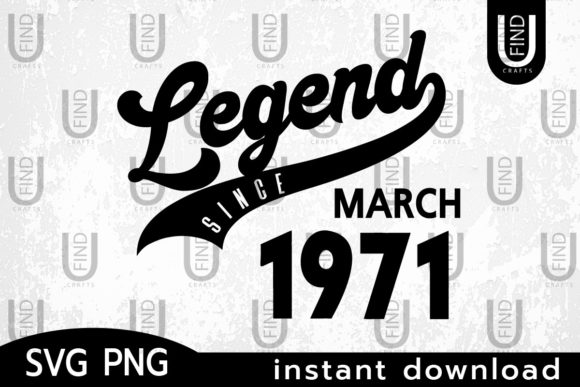
As a designer and embroidery product reviewer, I’ve evaluated countless machine embroidery designs over the years. But when I first encountered Vintage 1971, Legend Since February 1971, it immediately caught my attention—not just for its nostalgic aesthetic, but for how well it translates into real-world projects. This design is more than a digital file; it’s a storytelling element that can elevate a handmade product or commercial embroidery project with a sense of history and character.
The First Impression: A Design That Speaks Volumes
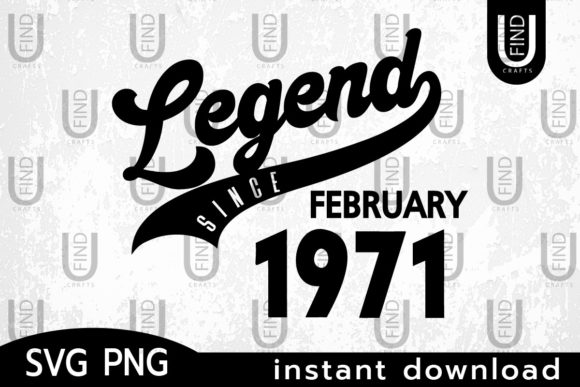
From the moment I opened the SVG and PNG files, I was struck by the clean, retro style of Vintage 1971, Legend Since February 1971. The layout is balanced, with a bold yet elegant font that feels timeless. It’s not overly complex, which makes it versatile for different applications. The design has a subtle charm that suggests it belongs on vintage-inspired items like tote bags, sweatshirts, or baby onesies. Its simplicity also means it doesn’t overwhelm smaller projects or delicate fabrics.
The visual personality of this design is warm and inviting. It carries a sense of nostalgia without being too heavy-handed. This makes it ideal for customers who want to add a touch of vintage flair to their products without going overboard. Whether it’s for a personalized gift, a boutique item, or a small shop merchandise piece, Vintage 1971, Legend Since February 1971 feels like it could fit into many different creative spaces.
Real-World Embroidery Use Cases
When considering Vintage 1971, Legend Since February 1971 for actual embroidery work, I thought about a few common projects. For example, a custom embroidered tote bag would be a great fit. The design’s size and shape make it suitable for a standard hoop, and its clean lines would translate well into both satin stitch and fill stitch. If used on a cotton tote, the design would stand out without looking too busy.
Another scenario is a sweatshirt or t-shirt with a personal message. Vintage 1971, Legend Since February 1971 could be a perfect addition to a birthday shirt, a wedding gift, or even a holiday-themed piece. The retro feel pairs well with casual wear, making it a strong choice for an Etsy seller or a craft business owner looking to offer something unique.
I also considered using it on baby clothes. The design is simple enough for a baby onesie or a blanket, and its vintage vibe could make it a memorable keepsake. However, I’d recommend testing it on a small area first, especially if the fabric is thin or stretchy.
Where to Be Careful: Design Limitations and Considerations
While Vintage 1971, Legend Since February 1971 works well in many situations, there are a few areas where caution is needed. For instance, if you’re working with small hoop sizes, this design might be too large to fit comfortably. You may need to scale it down or split it into sections, which could affect the overall look.
Textured fabrics, such as knits or fleece, can sometimes cause issues with stitching clarity. If the design includes fine details or tiny lettering, it’s worth testing on a similar fabric before committing to a larger project. Similarly, dark fabrics may require a contrasting thread color to ensure visibility.
For layered garments or curved surfaces like caps, the design’s shape and placement matter. If the design is meant to be centered, you’ll need to adjust the placement accordingly. And for projects that will see frequent washing, it’s important to use the right stabilizer and ensure the stitches are secure to prevent fraying or distortion.
Impact on Visual Appeal and Customer Perception
Vintage 1971, Legend Since February 1971 has a strong visual appeal that can enhance the value of any finished product. Its retro aesthetic adds a layer of uniqueness that can set a handmade item apart from mass-produced alternatives. This is especially valuable for Etsy sellers or small shop owners who rely on distinct, high-quality designs to attract buyers.
The clarity of the design is another key factor. When stitched properly, it maintains its integrity and doesn’t lose detail, even at smaller sizes. This makes it a good choice for personalized gifts, where the design needs to be both legible and visually appealing.
From a branding perspective, Vintage 1971, Legend Since February 1971 can help reinforce a consistent theme across multiple products. Whether it’s used on a custom apparel piece, a patch, or a printable mockup, it contributes to a cohesive brand identity that resonates with customers.
Practical Designer Notes: What to Check Before Using
Before incorporating Vintage 1971, Legend Since February 1971 into your next project, here are a few practical tips:
- Test on scrap fabric to see how the design looks in different conditions.
- Check thread color contrast to ensure it stands out on your chosen fabric.
- Review stitch density to avoid issues with puckering or distortion.
- Confirm hoop size to ensure the design fits comfortably.
- Inspect small details to make sure they’re clear and well-defined.
- Test in black and white mockups to see how it looks without color.
- Compare light and dark fabric backgrounds to determine the best option.
- Use proper stabilizer for delicate or stretchy materials.
- Confirm licensing if you plan to sell finished items or digital products.
By taking these steps, you can ensure that Vintage 1971, Legend Since February 1971 performs as expected and meets the quality standards your customers expect.
Final Thoughts: A Timeless Design for Creative Projects
Vintage 1971, Legend Since February 1971 is a design that balances nostalgia with modern usability. It’s a great asset for embroidery designers, small business owners, and crafters looking to add a vintage touch to their products. While it has some limitations in specific scenarios, its versatility and visual appeal make it a valuable addition to any design library.
Whether you’re creating a custom apparel piece, a personalized gift, or a boutique product, this design has the potential to enhance your work and connect with your audience. Just remember to test it thoroughly and consider the fabric, hoop size, and stitch density before finalizing your project.