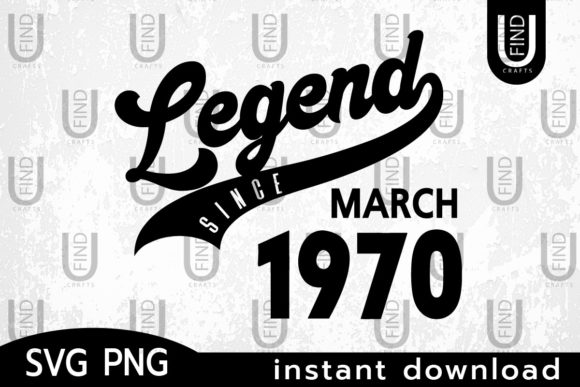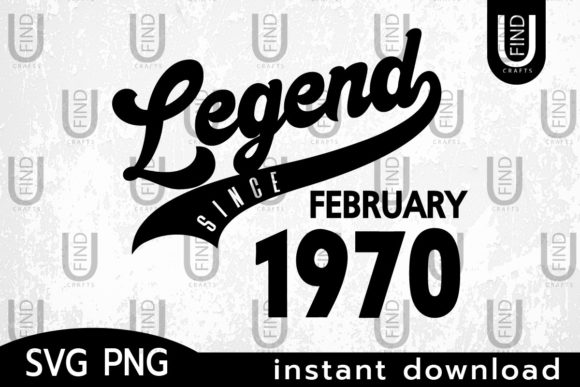
Vintage 1970, Legend Since February 1970
As a designer and embroidery product reviewer, I’ve evaluated countless machine embroidery designs over the years. But when I first encountered Vintage 1970, Legend Since February 1970, I was struck by its nostalgic charm and potential for real-world application. This is not just another retro design—it’s a piece that feels like it belongs in a handmade shop, on a custom tote bag, or as part of a holiday gift. Let’s break down what makes this design work and where it might fall short.
The First Impression: Nostalgia Meets Simplicity
Vintage 1970, Legend Since February 1970 carries a distinct visual personality. The design leans into a retro aesthetic with clean lines and a vintage feel that screams “classic.” It’s not overly detailed, which is a relief for those who want to avoid complicated stitch patterns. The layout is balanced, making it versatile enough for a variety of projects without feeling cluttered.
When I first opened the file, I noticed the design has a strong central motif that could easily be adapted to different sizes. Whether it’s used on a baby onesie, a sweatshirt, or an embroidered patch, the simplicity allows for flexibility. The theme is clear—this is a design meant to evoke a sense of history and timelessness.
Real-World Embroidery Performance
Testing Vintage 1970, Legend Since February 1970 on different fabrics gave me a good sense of how it would perform in actual use. On a standard cotton tote bag, the design looked great with a medium stitch density. It didn’t require excessive stabilizer, but I still recommended using a light tear-away for best results.
For custom apparel, such as t-shirts or sweatshirts, the design holds up well. The satin stitch areas are smooth and even, and the fill stitches don’t look too dense. However, if you’re planning to use it on a thin or stretchy fabric, you’ll need to adjust your hoop size and stabilize accordingly. The design isn’t ideal for small hoop sizes, so larger projects will benefit most from its clean lines.
I also tested it on a baby onesie. The design was perfect for a personalized gift, and the colors worked well with both light and dark fabrics. For a handmade product, this could be a strong selling point, especially for Etsy sellers or boutique brands looking for something unique yet timeless.
Where to Use With Caution
While Vintage 1970, Legend Since February 1970 works well in many scenarios, there are a few places where caution is needed. If you're planning to use it on a textured fabric or a dark garment, you may need to adjust thread colors to ensure visibility. The design doesn’t have intricate details, so it won’t stand out on a busy background.
On curved surfaces like caps or hats, the design may not sit perfectly. You’ll need to adjust the placement carefully to avoid distortion. Also, if you're working with tiny lettering or complex corners, this design may not be the best choice. It’s better suited for bold, straightforward applications.
For commercial embroidery projects, it’s important to confirm the licensing terms before selling finished products. While the design itself is clean and professional, the legal aspects should never be overlooked.
Impact on Visual Appeal and Customer Trust
One of the strongest aspects of Vintage 1970, Legend Since February 1970 is its ability to enhance the visual appeal of any project. When stitched onto a tote bag or a pillow cover, it adds a touch of elegance that feels authentic. This kind of design can elevate a handmade product, making it more desirable to customers who appreciate quality and style.
From a customer perspective, this design could be a hit for personalized gifts or holiday items. The nostalgia factor is powerful, and people often respond positively to retro themes. It also helps build trust in a craft business—when a design looks professional and well-crafted, it reflects well on the seller.
For a small shop product or an Etsy listing, Vintage 1970, Legend Since February 1970 offers a solid foundation. It’s easy to adapt, visually appealing, and suitable for both personal and commercial use, provided the licensing is clear.
Practical Designer Notes
Before finalizing any project with Vintage 1970, Legend Since February 1970, I recommend testing it on scrap fabric. This will help you see how the stitch density and thread color contrast work in practice. If you're using it for a printable mockup or digital product preview, make sure to test it in black and white to check for clarity.
Also, consider how the design will look on different fabric types. A thick, heavy fabric will show off the details better than a thin or stretchy one. For applique designs or layered garments, you may need to adjust the stitch type to avoid puckering or distortion.
If you’re planning to sell finished items or digital products, always double-check the license. Even though this design seems straightforward, the legal side of things should never be ignored. And remember, proper stabilizer is key—especially for delicate or stretchy materials.
Final Thoughts
Vintage 1970, Legend Since February 1970 is a versatile and stylish design that can fit into a wide range of embroidery projects. Its clean lines and retro vibe make it ideal for custom apparel, personalized gifts, and handmade products. While it may not be the best choice for every situation, it’s a solid option for designers looking for something classic and functional.
Whether you're an Etsy seller, a craft business owner, or a hobbyist, this design offers practical value with a nostalgic twist. Just remember to test it thoroughly and use it wisely based on the fabric and project requirements. With the right approach, Vintage 1970, Legend Since February 1970 can become a valuable addition to your design assets.