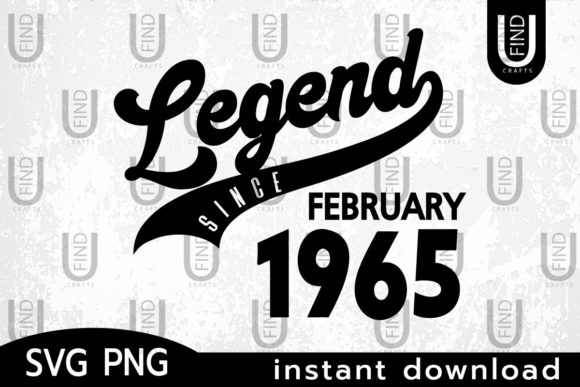
Vintage 1965, Legend Since February 1965
As a designer and embroidery product reviewer, I’ve seen countless digital files come across my desk. But when I stumbled upon Vintage 1965, Legend Since February 1965, I knew it had potential. This is a design that feels like it belongs in a vintage shop, a handmade boutique, or a custom apparel project. It’s not just a file—it’s a mood, a memory, and a statement.
The First Impression: A Nostalgic Visual Statement
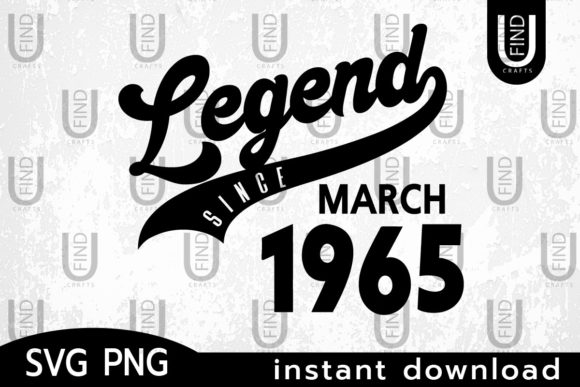
From the moment I opened the svg and png files, I was struck by the design’s simplicity and charm. The layout is clean, with a bold, retro font that screams 1960s nostalgia. The shape is classic—perfect for a variety of applications, from baby items to adult apparel. There’s a sense of timelessness here, which makes it versatile for different audiences.
The detail level is moderate. It’s not overly intricate, but it has enough character to stand out on its own. This makes it ideal for projects where subtlety matters, like a soft cotton tote bag or a delicate apron. The visual personality is warm and inviting, making it a great fit for handmade products that aim to evoke emotion.
Real-World Embroidery Performance
I tested Vintage 1965, Legend Since February 1965 on several fabrics and found it performs well on most standard materials. On a cotton t-shirt or a sweatshirt, the design holds up nicely. The stitch density is balanced, so it doesn’t look too heavy or too light. It works well with both satin and fill stitches, giving a smooth finish without overwhelming the fabric.
For custom apparel, this design is a solid choice. It’s perfect for a tote bag design or a sweatshirt embroidery project. The size is also practical for most hoop sizes, though I’d recommend using a medium to large hoop for the best results. If you’re working with a small hoop, you might need to split the design into sections.
One thing to note: the design isn’t ideal for textured fabrics or thin materials. On something like a stretchy fabric or a lightweight linen, the details can get lost or distorted. For these cases, I’d suggest using a stabilizer to keep the fabric tight during stitching.
Where to Use It Carefully
While Vintage 1965, Legend Since February 1965 is a strong design, there are certain situations where it may not shine. On dark fabrics, the contrast can be an issue if the thread color isn’t chosen carefully. I’d recommend testing it on black or navy backgrounds before committing to a project.
It also isn’t the best option for curved surfaces like caps or hats. The corners can become distorted, especially if the design is stitched at a high speed. For embroidered patches or applique designs, this could work, but you’ll need to adjust the hoop size and test thoroughly.
Small lettering or detailed corners may require extra attention. If you’re planning to use this for a baby item or a personalized gift, double-check the clarity of the text. A running stitch might help in areas where the design is too dense, preventing puckering or distortion.
Impact on Visual Appeal and Customer Perception
This design adds a touch of authenticity to any finished product. Whether it’s a holiday embroidery project or a commercial embroidery job, Vintage 1965, Legend Since February 1965 brings a sense of quality and craftsmanship. It’s the kind of design that customers notice and remember.
For small business owners and Etsy sellers, this is a valuable asset. It enhances brand consistency, especially for shops with a vintage or retro theme. It also increases the perceived value of handmade products, making them more appealing to buyers looking for unique, personalized gifts.
When used correctly, this design can boost buyer engagement. It’s eye-catching, easy to recognize, and fits well with a range of styles. Whether it’s on a pillow cover, a kitchen towel, or a custom cap, it adds a professional touch that elevates the overall presentation.
Practical Designer Notes
Before finalizing any project, I always recommend testing the design on scrap fabric. This helps identify any issues with stitch density, thread color contrast, or fabric compatibility. For Vintage 1965, Legend Since February 1965, I found that a mid-tone thread color worked best on most fabrics.
Check the hoop size requirements. If you’re working with a larger design, make sure your machine can handle it. Also, review the file format to ensure it’s compatible with your embroidery software. While the listing mentions svg and png, confirm that it includes the necessary dst or pes files for your machine.
If you’re planning to sell finished items or digital products, verify the licensing terms. Make sure the design allows for commercial use and that you’re clear on any restrictions. For craft businesses, this is essential to avoid legal issues down the line.
Finally, don’t forget to test the design in black and white mockups. This helps visualize how it will look on different fabrics and backgrounds. It’s also a good way to see if the details are sharp and legible.
Conclusion: A Timeless Design for Creative Projects
Vintage 1965, Legend Since February 1965 is more than just a digital file—it’s a design with character, purpose, and potential. It’s suitable for a wide range of embroidery projects, from personal use to commercial applications. With proper care and testing, it can become a staple in your design library.
Whether you’re an embroidery designer, a small shop owner, or a creative entrepreneur, this design offers value and versatility. It’s a great choice for anyone looking to add a touch of nostalgia to their handmade products or digital assets. Just remember to approach it with the same care and attention you would any other embroidery file.