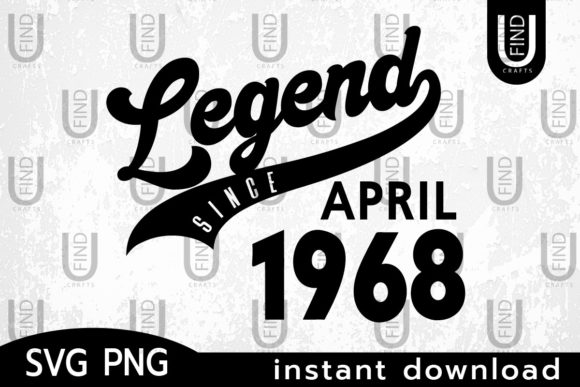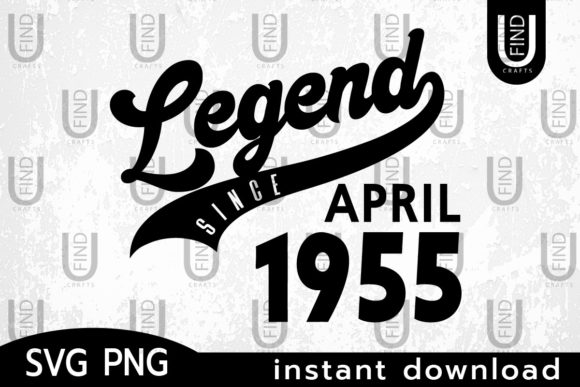
Vintage 1955, Legend Since April 1955
As a designer and embroidery product reviewer, I've evaluated countless machine embroidery designs. When I first opened the Vintage 1955, Legend Since April 1955 file, I was immediately struck by its nostalgic charm. This is a design that feels like it belongs in a vintage shop or a handmade boutique. The retro aesthetic is unmistakable, with clean lines and a timeless feel that could easily be mistaken for an original piece from the 1950s.
The First Impression: Nostalgia Meets Simplicity
The Vintage 1955, Legend Since April 1955 design exudes a warm, classic vibe. It’s not overly complicated, but it carries enough detail to make it visually interesting. The layout is balanced, with a central focal point that draws the eye. The font choice is reminiscent of old-timey signage, which adds to the overall retro appeal. This design would work well on items like tote bags, sweatshirts, or baby onesies, where a touch of vintage flair can elevate the look.
Real-World Embroidery Use Cases
When considering real-life embroidery situations, the Vintage 1955, Legend Since April 1955 design shows promise. It’s versatile enough to fit into a variety of projects, from custom apparel to personalized gifts. For example, if you're creating a custom embroidered tote bag for a client, this design could add a unique, handcrafted element that stands out from mass-produced options. It also has potential as a sweatshirt embroidery, especially for seasonal or themed collections.
On baby clothes, the design could serve as a meaningful keepsake, especially if the child is born in 1955 or if the parent has a connection to that era. As an embroidered patch, it could be used on jackets, backpacks, or even as a badge for a small business or craft event. The design’s simplicity makes it adaptable to different fabric types and project sizes, though there are some limitations to consider.
Where to Use with Caution
While the Vintage 1955, Legend Since April 1955 design is appealing, there are certain scenarios where it may not perform as well. For instance, if you’re working with small hoop sizes, the design might be too large to fit comfortably. On textured fabrics, the details could become less defined, making the design appear less crisp. Thin or stretchy fabrics may also pose challenges, as they can cause the stitches to pucker or distort.
When using the design on dark fabric, the contrast between the thread color and the background becomes crucial. If the thread is too light, the design may not stand out as intended. Similarly, on layered garments or curved surfaces like caps, the design might require additional adjustments to ensure proper placement and visibility. Tiny lettering or intricate corners could be difficult to stitch accurately, so it's important to test the design before committing to a larger project.
Impact on Visual Appeal and Customer Perception
The Vintage 1955, Legend Since April 1955 design has the potential to enhance the visual appeal of any finished product. Its retro style can create a sense of nostalgia that resonates with many customers, making it a strong choice for handmade products or personalized gifts. When used effectively, it can also boost the perceived value of a product, especially if it’s part of a curated collection or a limited-edition offering.
From a customer perspective, this design could increase trust in a brand, particularly if it aligns with the values or aesthetics of the target audience. For small business owners or Etsy sellers, a design like this can help differentiate their offerings in a crowded market. It also adds a professional touch to commercial embroidery projects, whether for a boutique product or a custom order.
Practical Designer Notes
Before using the Vintage 1955, Legend Since April 1955 design in a real project, I recommend testing it on scrap fabric. This will give you a clear idea of how the stitches look on different materials and allow you to adjust settings as needed. Checking the thread color contrast is also essential—especially if you plan to use the design on dark or light backgrounds.
Reviewing the stitch density is another key step. If the design is too dense, it may cause the fabric to pucker or the stitches to break. Confirming the appropriate hoop size is equally important, as using the wrong size can lead to poor results. Inspecting small details like lettering or corners will help ensure the design looks sharp and clean when stitched.
Testing the design in black and white mockups can also be helpful, as it allows you to see how the design translates without color distractions. Comparing it against both light and dark fabric backgrounds will help you determine the best application. Using the right stabilizer is crucial for maintaining the integrity of the design, especially on delicate or stretchy fabrics.
Finally, always check whether the design is suitable for both personal and commercial projects. If you're planning to sell finished items or digital products, confirm the licensing terms to avoid any legal issues. This design could be a valuable addition to your design assets, but it's important to approach it with care and attention to detail.
Conclusion: A Timeless Design with Practical Potential
The Vintage 1955, Legend Since April 1955 design is a great example of how a simple, nostalgic concept can translate into a functional and appealing embroidery project. It’s well-suited for a wide range of applications, from custom apparel to personalized gifts, and has the potential to enhance the value and appeal of any finished product. However, it requires careful consideration when used on certain fabrics or in specific project types.
For embroidery designers, small business owners, and crafters, this design offers a blend of style and practicality that can be leveraged in various ways. Whether you're creating a handmade product for your own shop or preparing a custom order for a client, the Vintage 1955, Legend Since April 1955 design is worth exploring—but always with a thoughtful and tested approach.