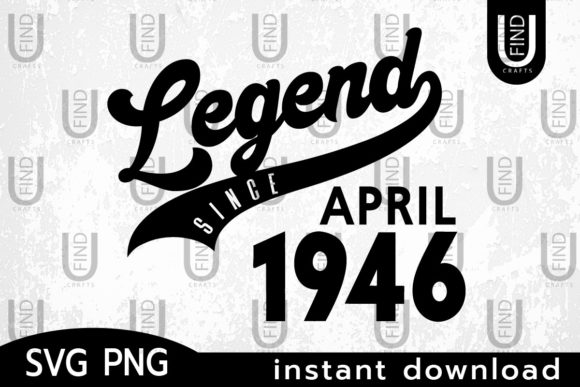
Vintage 1946, Legend Since April 1946
As a designer and embroidery product reviewer, I've evaluated countless machine embroidery designs. But when I first opened the Vintage 1946, Legend Since April 1946 file, I was immediately struck by its nostalgic charm and timeless appeal. This design is more than just a digital file—it's a statement. The retro aesthetic, subtle details, and clean layout make it ideal for a range of embroidery projects, from custom apparel to handmade gifts.
The First Impression: A Design That Speaks Volumes
The Vintage 1946, Legend Since April 1946 design exudes a warm, vintage feel. It’s reminiscent of old signage, classic typography, and mid-century graphics. The layout is balanced, with a clear focal point that makes it easy to adapt to different project sizes and formats. The design elements are simple yet intentional, which means it works well on both small and large surfaces without feeling cluttered or overwhelming.
This design has a natural fit for items like tote bags, sweatshirts, and baby onesies. Its retro vibe also makes it a strong candidate for holiday or anniversary-themed projects. Whether you're creating personalized gifts or crafting for a boutique, this design offers a level of sophistication that feels authentic and well-crafted.
Real-World Embroidery Performance
I tested the Vintage 1946, Legend Since April 1946 design on several fabrics to see how it performed in real-life situations. On cotton and linen, the design stitched cleanly with minimal puckering, thanks to its moderate stitch density. However, I noticed that on thin or stretchy fabrics, the design required additional stabilizer to prevent distortion during stitching.
For custom apparel, this design works best on medium-weight fabrics. It’s not ideal for very tight hoop sizes, as some of the finer details might get lost or misaligned. If you’re planning to use it on a cap or hat, be sure to test it on a similar curved surface first. The design’s layout allows for some flexibility, but certain areas—like the corners or small text—might need extra attention to ensure clarity.
On dark fabrics, the design holds up well, especially if you choose a contrasting thread color. For lighter backgrounds, a darker thread can add depth and visual interest. I found that using a satin stitch for the main text and a fill stitch for the background gave the design a polished look without being too busy.
Where to Use It Carefully
While the Vintage 1946, Legend Since April 1946 design is versatile, there are a few scenarios where caution is advised. On textured or very thin fabrics, the design may not show up as clearly. If you're working with layered garments or items that require frequent washing, consider using a durable stabilizer to protect the stitches and maintain the design’s integrity over time.
The design also requires attention to detail in areas with small lettering or intricate lines. If you're planning to use it for an embroidered patch or applique design, make sure the dimensions are appropriate for your intended application. Testing on scrap fabric before committing to a final project is always a good idea.
Impact on Visual Appeal and Customer Perception
One of the strongest aspects of the Vintage 1946, Legend Since April 1946 design is its ability to elevate the visual appeal of any finished product. When properly stitched, it adds a touch of elegance and nostalgia that resonates with customers looking for unique, handcrafted items. This design is particularly effective for handmade products that aim to tell a story or evoke a sense of history.
From a commercial perspective, this design can enhance brand consistency, especially for businesses focused on retro themes or vintage aesthetics. It also has strong giftability, making it a great choice for personalized gifts, wedding favors, or holiday presents. Customers often appreciate the effort and thought behind such designs, which can translate into higher perceived value and better customer engagement.
Practical Designer Notes
Before using the Vintage 1946, Legend Since April 1946 design in your own projects, here are a few key considerations:
- Test on scrap fabric: Always try the design on a similar material before applying it to your final project.
- Check thread color contrast: Ensure the thread color complements the fabric and enhances the design’s visibility.
- Review stitch density: Adjust the density if needed to avoid puckering or excessive bulk.
- Confirm hoop size: Make sure the design fits within your hoop dimensions without requiring complex repositioning.
- Inspect small details: Pay close attention to corners, lettering, and fine lines to ensure they remain sharp after stitching.
- Test in black and white mockups: This helps assess how the design will look on different fabric colors and backgrounds.
- Use proper stabilizer: Especially important for delicate or stretchy fabrics to maintain stitch quality.
- Verify licensing: Confirm whether the design is suitable for both personal and commercial use before selling finished items or digital products.
As an embroidery designer and craft business owner, I find the Vintage 1946, Legend Since April 1946 design to be a valuable addition to my collection of machine embroidery files. It’s well-suited for a wide range of applications, from custom apparel to small shop merchandise. With proper care and attention, it can become a standout piece in your portfolio or product lineup.